
In early February 2026, Google announced a new core update specifically aimed at shaping how content is shown in Google Discover — the personalized content feed that many users encounter daily on mobile devices and in the Google app. Unlike traditional core updates that mostly affect organic search results, this change focuses on how articles and other web content are recommended to users based on their interests.
What Is Google Discover?
Google Discover is a feed of articles, videos, and web pages that Google believes will be relevant to you without you needing to type a search query. It’s driven by signals such as users’ past search history, interactions, interests, and content preferences. This means your Discover feed can look very different from someone else’s.
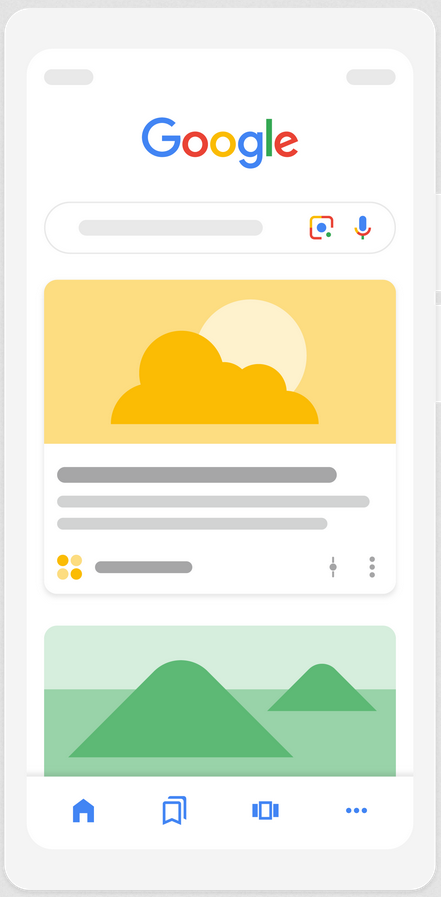
Image Source: developers.google.com
Content doesn’t need special tags, structured data, or schema to show up in Discover. If it’s indexed by Google and complies with Discover’s content policies, it’s eligible for inclusion. However, eligibility does not guarantee visibility — the content must align with interest signals and feed quality standards before it appears in Discover.
What Makes This Update Different?
While traditional core updates impact how websites rank in organic search results, the February 2026 update targets signals used by Google to decide what appears in the Discover feed. According to Google, this is a broad update to the systems that surface articles in Discover, and initial rollout is currently focused on English-language users in the United States, with expansion to other regions expected over time.
This update does not mean that content will suddenly vanish from search results — rather, it fine-tunes Discover’s recommendation mechanisms. As Google said, testing showed that users find the updated feed “more useful and worthwhile.”
Why It Matters to Publishers and Creators
Many large publishers and content creators rely on Discover for substantial portions of their referral traffic. Changes to how Google evaluates and surfaces content can lead to noticeable fluctuations in that traffic. Owners of sites that were previously strong in Discover may see shifts — positive or negative — as the new criteria take effect.
Three Core Shifts in Discover Evaluation
Although Google doesn’t publish its internal ranking formula, the announcement and industry coverage point to three significant changes in how content visibility in Discover is evaluated:
- Greater Local Relevance: The update places more emphasis on showing users content that originates from websites based in their own country or region. This makes regional news and domestic subject matter more prominent.
- Sensational and Clickbait Content is Downweighted: Headlines and content designed primarily to attract clicks through shock or exaggeration are less likely to be recommended.
- Original and In-Depth Expertise is Prioritized: Discover now favors content that demonstrates real expertise and depth on a topic, not just superficial or generic portions of a subject.
These shifts reflect Google’s continued desire to present content that feels genuinely helpful and relevant to users’ real interests rather than simply capturing attention through sensational tactics.
How Content Appears in Discover
Google’s official documentation explains that content is automatically eligible to appear in Discover if:
- It is indexed by Google — meaning Google knows it exists and can crawl it.
- It meets Discover’s content policies, which include rules against misleading, offensive, or low-quality content.
No meta tags, specialized markup, or schema are required — like many rich search features — for Discover eligibility. However, Google suggests that having high-quality, people-first content increases the likelihood of being shown.
Google also points out that traffic from Discover can fluctuate naturally over time because the feed is personalized to different users and evolves as their interests change. Even a well-written article may see varying traffic levels because of user interest shifts rather than any change in quality itself.
Practical Tips for Improving Discover Visibility
Based on Google’s guidance and how industry experts are interpreting the update, here are actionable ways to adapt your content strategy:
1. Focus on Clear, Honest Titles
Avoid sensationalism in headlines. Instead, use titles that honestly reflect the content, as attention-grabbing tactics are being filtered more aggressively.
2. Include Large, High-Quality Images
Discover favors visually engaging content. Google’s documentation recommends including compelling images that are at least 1200 pixels wide, which helps thumbnails and previews perform better.
3. Write Substantial, Topic-Focused Content
Original reporting or analysis that shows expertise in a particular subject tends to perform better than short or surface-level content. Consistency matters: regular high-quality articles help build stronger signals around your topics over time.
4. Monitor with Search Console
If your content appears in Discover, use the Discover performance report in Google Search Console to track impressions, clicks, and click-through rates over time. This can help you spot trends and adjust your strategy.
Expected Traffic Patterns
With any broad algorithm or core update, traffic can fluctuate. In the case of Discover, changes can be especially noticeable because the feed’s personalized nature means traffic isn’t driven by specific search queries but by interest signals and user behaviour patterns. Some sites may see:
- Increases in impressions and clicks.
- Temporary instability as signals recalibrate.
- Declines for content that doesn’t align with the updated emphasis on local relevance and expertise.
These changes do not signal a penalty — traffic shifts simply reflect how the updated algorithm sees and weighs your content relative to others.
Why Google Is Making These Changes
The statement from Google described this update as a refinement of Discover’s ability to serve “useful and worthwhile” content, which aligns with long-standing trends in how search and feed recommendations evolve. Google is increasingly focused on:
- Reducing sensational or misleading content across its products.
- Increasing local contextual relevance for users in specific regions.
- Highlighting expertise and depth in specialized subjects.
These changes don’t just affect traffic metrics but also encourage publishers to invest in deeper subject knowledge and clearer presentation. When Discover shows content that aligns well with genuine user interests and expertise, engagement and satisfaction tend to rise, which benefits everyone involved.
Sources Referenced
- Google’s February 2026 Discover Core Update announcement — Google Search Central Blog.
- Google Discover documentation — Google Developers.
- Google Search core updates documentation — Google Developers.

Kira Cube
Kira Cube, founder of Kira Diverse, brings over eight years of SEO expertise across on-page, technical SEO, CRO, local optimization, e-commerce growth, and content refinement. His approach blends data, experience, and AI-ready strategies that help brands grow with clarity and long-term impact.