
AI is changing how people discover brands. Instead of clicking through ten blue links, users now ask questions and expect direct answers. If your website isn’t showing up inside these AI-driven tools, you’re missing traffic that doesn’t even reach traditional search results.
This guide covers the key AI platforms where your brand should appear—and what it takes to get there.
Why Does Visibility in AI Tools Matter Today?
Search behavior has shifted. People now rely on conversational tools to:
- Compare products
- Get recommendations
- Solve problems quickly
According to McKinsey & Company, AI-powered interfaces are rapidly influencing buying decisions, especially in research-heavy industries.
If your brand isn’t mentioned in these environments, users may never discover you—even if you rank well on Google.
Which AI Tools Should You Focus On First?
1. ChatGPT
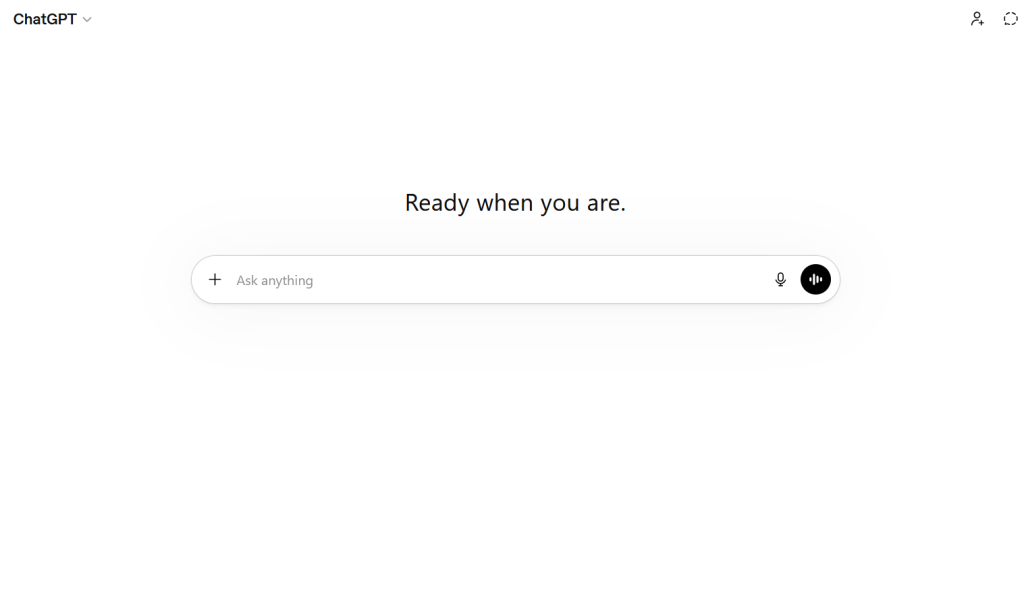
ChatGPT is one of the most widely used AI tools for research and recommendations.
Users ask things like:
- “Best luggage brands for travel”
- “Top SEO agencies in the US”
- “Best pet carriers for flights”
If your website is mentioned in ChatGPT responses, you gain high-intent visibility.
How to get featured:
- Build strong brand mentions across trusted sites
- Get listed in comparison articles and reviews
- Create clear, structured content (tables, FAQs, guides)
- Maintain consistent brand identity across the web
2. Google AI Overviews
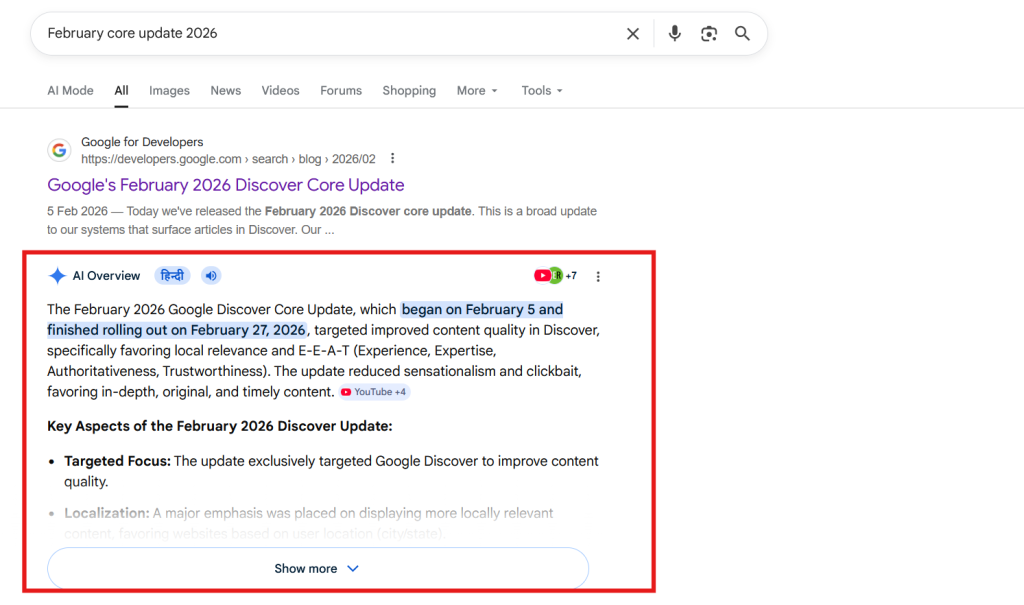
Google now generates AI summaries directly in search results.
These summaries often pull from:
- Authoritative websites
- Structured content
- Pages with strong EEAT signals
How to improve visibility:
- Add FAQ and HowTo schema
- Use clear headings that answer questions
- Include real examples and supporting data
- Improve author credibility and trust signals
3. Perplexity AI
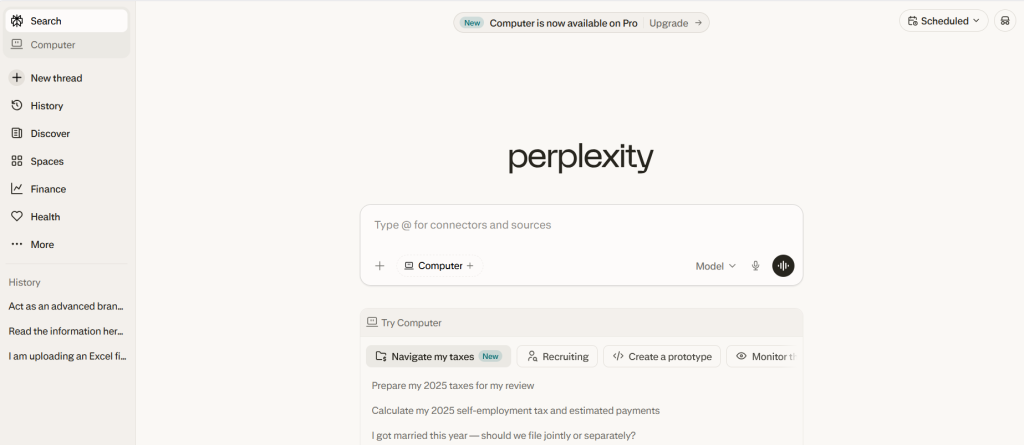
Perplexity is gaining popularity because it shows sources alongside answers.
This makes it one of the easiest platforms to track visibility.
Why it matters:
- Direct traffic from cited links
- High trust due to visible sources
- Strong adoption among tech-savvy users
Optimization tips:
- Publish detailed guides
- Use data-backed insights
- Earn backlinks from authoritative domains
4. Microsoft Copilot
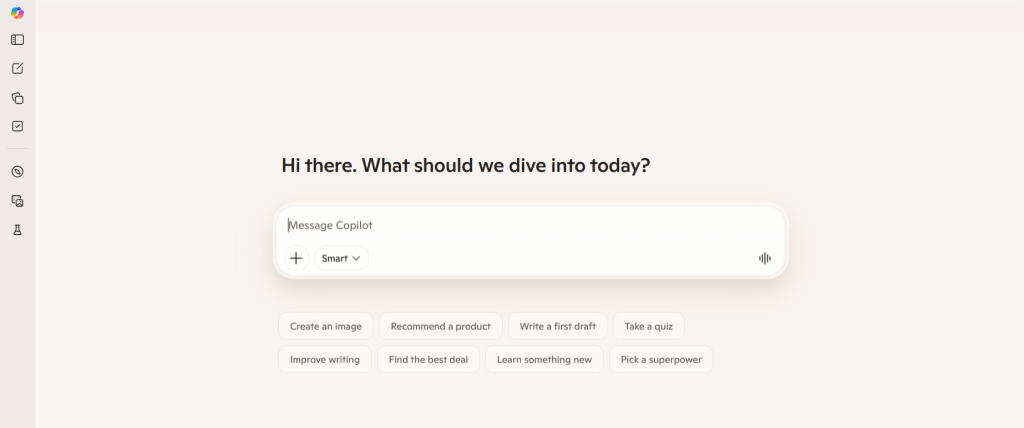
Copilot integrates with Bing and appears across Microsoft products.
It often pulls data from:
- Bing-indexed pages
- Structured content
- Well-linked websites
How to rank here:
- Ensure a strong presence in Bing Webmaster Tools
- Optimize for long-tail queries
- Build authority through external mentions
5. Gemini
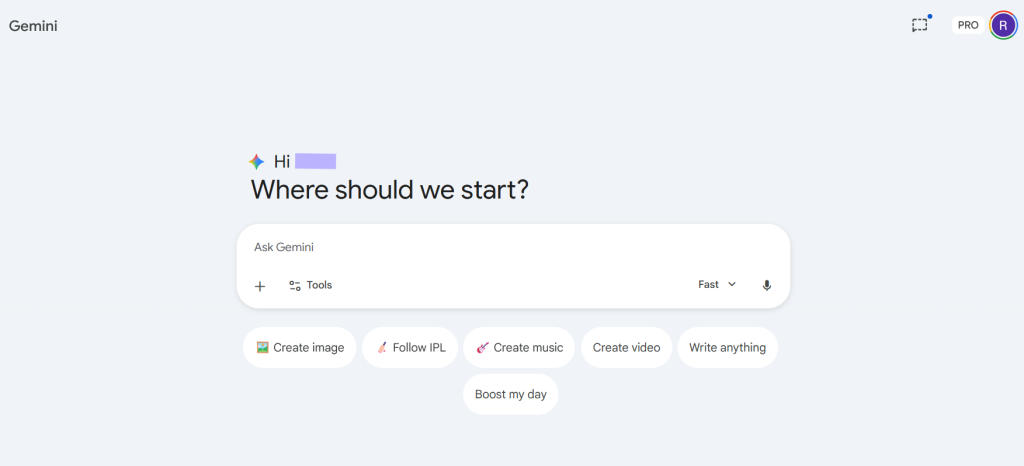
Gemini powers many of Google’s AI features, including search enhancements.
It focuses heavily on:
- Content clarity
- Context relevance
- Trusted sources
Best approach:
- Write topic-focused content, not keyword-focused
- Cover a subject completely
- Use structured formatting
6. You.com
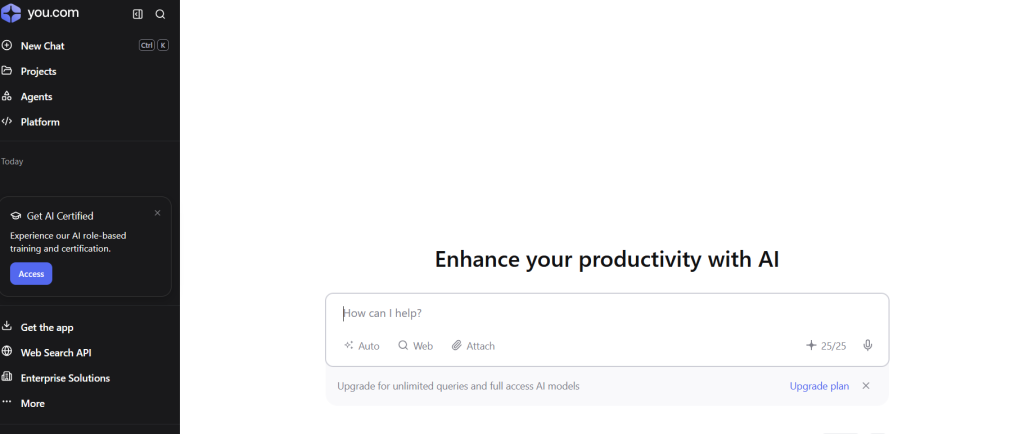
You.com combines traditional search with AI summaries.
It allows users to:
- Compare sources
- Use apps within search
- Access AI-generated answers
Visibility tips:
- Focus on niche authority
- Create comparison-style content
- Optimize for informational queries
What Kind of Content Works Best for AI Visibility?
AI tools prefer content that is easy to extract and present.
Formats that perform well:
- Question-based headings
- Step-by-step guides
- Tables and comparisons
- FAQs with direct answers
Example structure:
- “What is the best option for X?”
- “How does X compare to Y?”
- “What should you consider before buying?”
How Do External Mentions Impact AI Visibility?
AI tools don’t rely only on your website.
They also look at:
- Reviews
- Listicles
- Forums
- Industry directories
For example, if your brand appears in:
- “Top 10 tools” articles
- Reddit discussions
- Niche blogs
You increase your chances of being recommended.
According to Gartner, brand visibility across multiple trusted sources directly impacts AI-driven recommendations.
What Technical Elements Help AI Understand Your Website?
Structured Data
Add schema where relevant:
- FAQPage
- HowTo
- Product
- Organization
Internal Linking
Help AI navigate your site:
- Link related topics
- Avoid orphan pages
Clean HTML Content
Avoid:
- Important content inside images
- Heavy reliance on JavaScript for core text
How Can You Track AI Visibility?
Unlike traditional SEO, tracking AI visibility requires a mix of methods:
- Search your target queries in AI tools
- Track brand mentions in responses
- Monitor referral traffic from AI platforms
- Use Bing and Google data for indirect signals
What Mistakes Should You Avoid?
- Writing only for keywords
- Ignoring brand authority
- Publishing thin content
- Skipping external mentions
AI tools prioritize trust and context over keyword density.
What Should Be Your Strategy in the future?
Focus on three areas:
1. Content Depth
Cover topics fully instead of creating multiple shallow pages.
2. Authority Building
Get your brand mentioned across trusted platforms.
3. Structured Content
Make your content easy for AI to read and extract.
Final Thoughts
AI tools are becoming the first stop for research. If your brand isn’t visible inside them, your competitors will take that space.
Start by:
- Identifying key AI platforms
- Improving your content structure
- Building authority beyond your website
Visibility in AI tools isn’t a separate strategy—it’s an extension of strong SEO done the right way.

Kira Cube
Kira Cube, founder of Kira Diverse, brings over eight years of SEO expertise across on-page, technical SEO, CRO, local optimization, e-commerce growth, and content refinement. His approach blends data, experience, and AI-ready strategies that help brands grow with clarity and long-term impact.